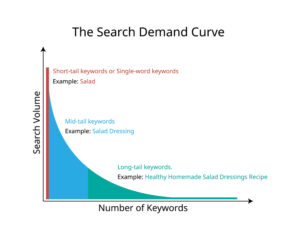
1. How Long Tail Keywords Shape Modern SEO
Long Tail Keywords provide the foundation for targeted SEO because they capture precise user intent and reduce competition. These phrases allow websites to gain visibility even in crowded markets by meeting searchers’ exact expectations.
When content answers specific questions directly, user satisfaction improves. This leads to longer dwell time, better engagement, and stronger signals that help search engines trust the page.
2. The Value Of High-Intent Search Traffic
Long tail keywords help attract users who already know what they want, making them more likely to engage meaningfully. These motivated visitors often arrive with clearer goals, creating stronger opportunities for conversions.
By answering their needs directly, websites build authority within their niche. Over time, this trust helps elevate all related content across the domain.
3. How Specific Queries Reveal Clear Intent
Writers can interpret user intent more accurately when long tail keywords indicate what readers hope to learn or accomplish. These precise queries simplify content planning and help structure pages around authentic needs.
This clarity makes the reading experience smoother and more intuitive. When users quickly find the information they expected, they are more likely to explore additional pages.
4. Reducing Competition Through Precision
Websites can compete effectively by focusing on long tail keywords that larger competitors overlook. These specific terms require less effort to rank for and provide valuable early wins.
This steady accumulation of rankings builds momentum. As the site grows more authoritative, even more competitive keywords become attainable.
5. Improving Topical Relevance With Narrow Focus
Content built around long tail keywords tends to address a topic with greater relevance and clarity. This specificity helps the article stay aligned with what readers genuinely want.
High relevance improves overall performance by creating a stronger match between the search query and the content presented. This naturally supports better rankings and user retention.
6. Organizing Topics Through Detailed Queries
Long tail keywords help structure content clusters that reinforce each other through thematic consistency. These clusters demonstrate depth and expertise within a topic.
When search engines detect these relationships, overall visibility improves. Internal linking further strengthens these connections and enhances user navigation.
7. Supporting Stronger Conversion Pathways
Long tail keywords often signal users who are ready to take meaningful next steps, such as comparing options or making a purchase. Their readiness increases the likelihood of successful conversions.
By guiding readers toward deeper resources, websites create smoother transitions. These improved pathways support long-term growth and sustainable performance.
8. Expanding Content Libraries With Precision
Writers use long tail keywords to identify highly specific topics that broaden their overall content library. This expansion helps cover a niche from multiple useful angles.
With each new article, the website becomes a more complete resource. This completeness encourages return visits and positions the site as a trusted authority.
9. Demonstrating Expertise At A Detailed Level
Long tail keywords help creators produce content that answers nuanced questions, reinforcing their expertise in the niche. These focused explanations signal credibility to both readers and search engines.
Over time, the accumulation of detailed insights improves overall authority. As authority strengthens, ranking across the site becomes more stable and predictable.
10. Enhancing User Experience Through Specificity
When content reflects the detail found in long tail keywords, readers experience greater satisfaction. They encounter exactly what they hoped to learn, creating a positive interaction.
A positive user experience increases the likelihood of deeper engagement. Visitors browse more pages, send stronger behavioral signals, and reinforce the site’s overall authority.
11. Aligning With How People Search Today
Long tail keywords fit modern search behavior, especially with the rise of voice search and conversational queries. These patterns favor specificity and context over broad general terms.
Websites that embrace these patterns stay aligned with user habits. This alignment helps keep content relevant even as search engines evolve.
12. Applying Long Tail Keywords For Sustainable Growth
Long Tail Keywords guide long-term SEO strategies by supporting high-quality traffic and meaningful engagement. Their stability provides consistent performance even during algorithm changes.
Sustainable growth comes from addressing real user needs with precision and clarity. This foundation strengthens the entire domain and supports lasting success.
References
- Search Engine Journal – SEO Best Practices
- Ahrefs – Keyword Research Guide
- Backlinko – Long Tail SEO Strategies